Summary:
The Planning Mistake That's Costing Davidson County Homeowners
Walk through any neighborhood in Nashville, Brentwood, or Franklin, and you’ll spot it immediately. Fences that don’t line up with property boundaries. Gates positioned where they block natural foot traffic. Materials that clash with the home’s architecture or buckle under Tennessee weather.
The biggest mistake? Homeowners jump straight into installation without understanding their property boundaries, local requirements, or long-term maintenance needs. This rush to get started creates problems that follow you for years.
Property Line Disputes and Permit Problems in Nashville
In Davidson County, residents don’t need permits for most fences, but they must meet specific Zoning and Building Code requirements. That sounds straightforward until you dig into the details.
The rules get complex quickly. Solid fences must be setback 10 feet from street frontage with a maximum height of 30 inches within that setback. Open fences like chain link can reach 72 inches within the front setback, while fences in other areas can be 6 feet in front yards and 8 feet in side or rear areas.
Corner lots face even stricter rules. These properties have a prohibition on fences within the 35-foot visibility zone, though Urban Zoning Overlay properties follow different guidelines. Miss these requirements, and you’re looking at expensive modifications or complete removal.
Property line confusion creates bigger headaches. While there’s no distance requirement from neighboring property lines, if you don’t build at the shared line, you remain responsible for maintaining your property on the other side of the fence. Many homeowners discover their fence crosses into a neighbor’s yard, leading to legal disputes and forced reconstruction.
Tennessee’s partition fence law adds another complication. Even if only one neighbor wants a fence, both property owners may share building and maintenance costs, meaning you could pay for a fence you neither need nor want. We navigate these regulations daily, preventing costly surprises.
Why DIY Fence Installation Often Backfires
The math looks appealing at first glance. DIY installation can save around $1,700 in labor costs. But those savings evaporate when you factor in the hidden costs of mistakes, tool rental, and time investment.
Installing a fence yourself may seem like a great way to save money, but it easily becomes expensive if you make mistakes or encounter unexpected issues. Professional fence installers ensure successful and cost-effective installation through experience and expertise.
The learning curve is steep. Common DIY mistakes include measurement errors, improper post placement, and installation technique problems. These create unstable fences that don’t meet local codes, plus you need specialized tools and equipment that we already own.
Time investment tells the real story. We complete projects in 20 to 30 hours, while DIY projects take 40 to 50 hours—assuming everything goes smoothly. Add permit requirements, ground leveling, or old fence removal, and timelines extend significantly.
Many homeowners attempt DIY installation only to face leaning posts, uneven panels, or weak materials that don’t hold up over time. If your fence isn’t as sturdy or well-aligned as expected, you’re not alone. The result? You pay for professional repairs anyway, often costing more than professional installation from the start.
The Smart Approach to Fence Installation in Davidson County
We follow a proven process that prevents expensive mistakes. It starts with understanding your specific needs, property characteristics, and local requirements before any digging begins.
We use high-quality materials and follow best practices, creating durable fences that need fewer repairs and replacements. We bring expertise that prevents costly mistakes common in DIY projects, such as improper installation or non-compliance with local regulations.
This systematic approach saves money long-term while ensuring your fence meets both functional needs and local requirements.
Material Selection and Weather Considerations
Nashville’s seasonal humidity and fluctuating temperatures make fence staining timing and technique crucial. This climate reality affects both material selection and long-term maintenance planning.
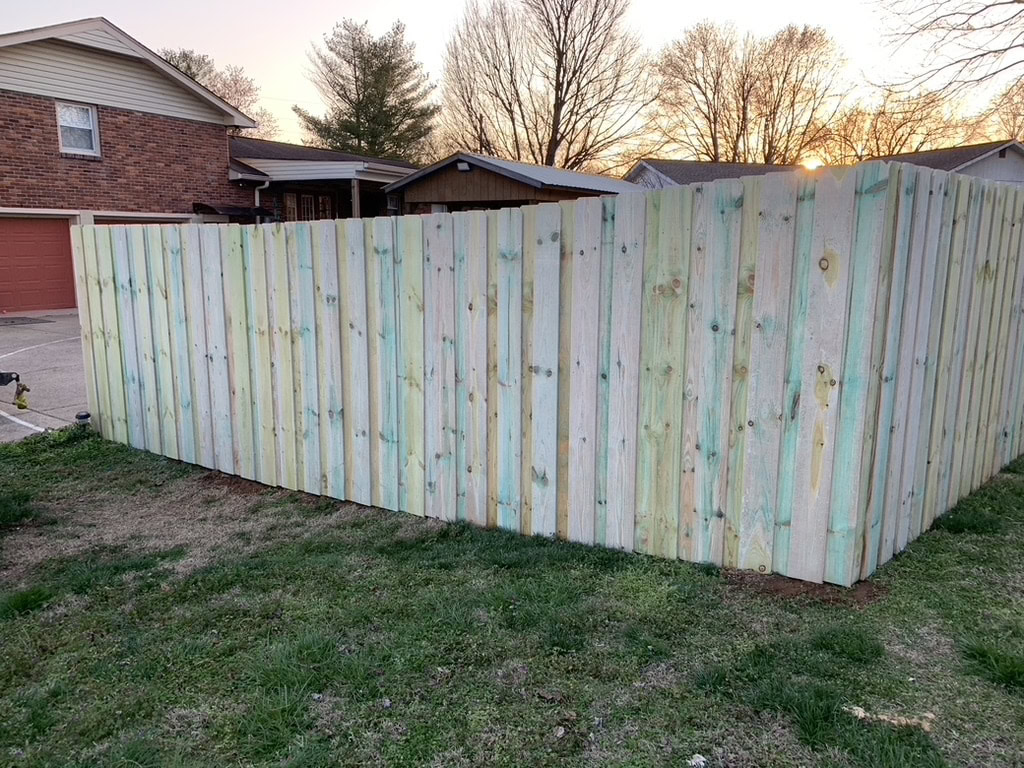
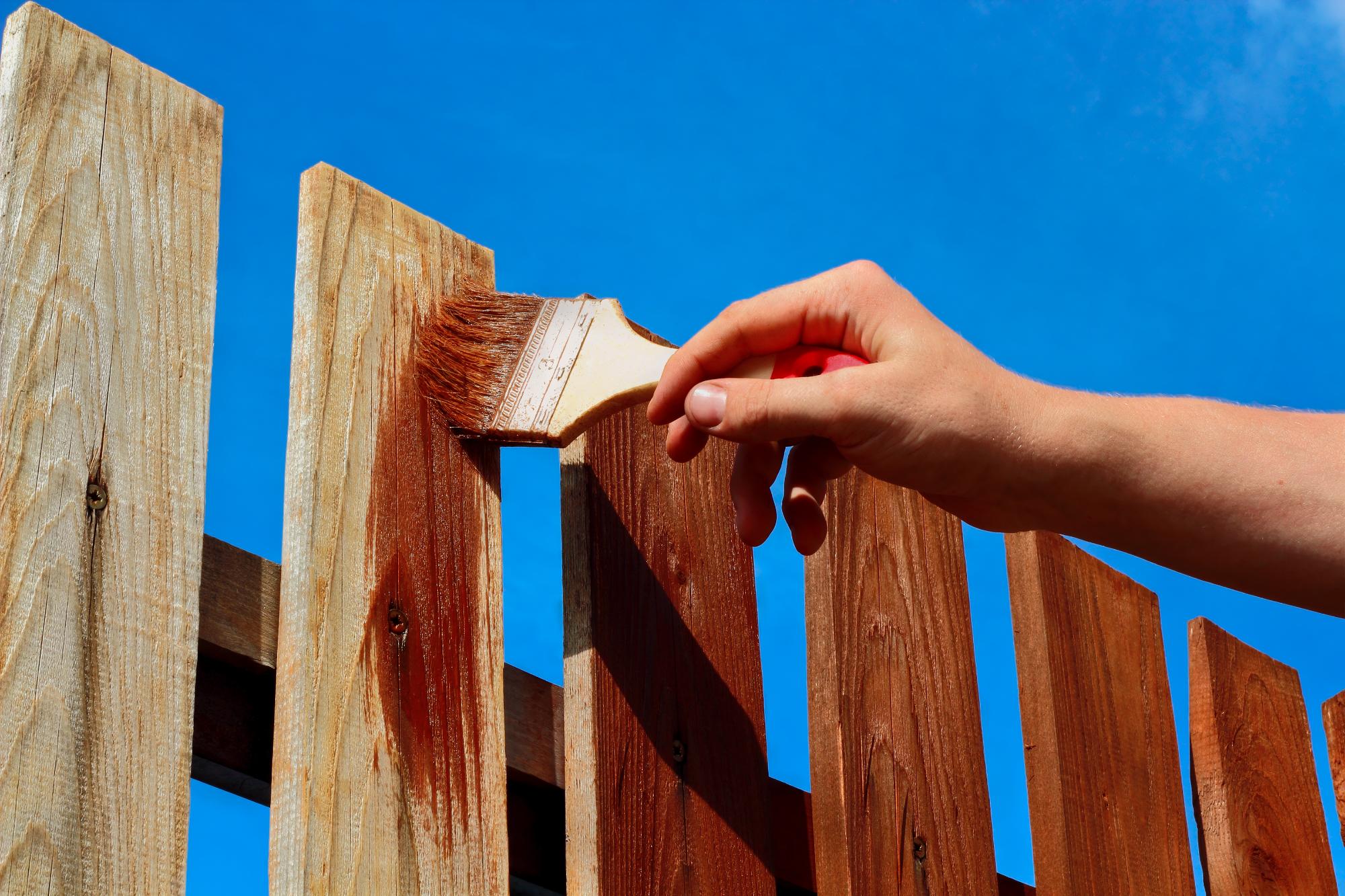
Wood fences offer natural beauty and design flexibility, but require ongoing care. The exact timetable for staining a new wood fence depends on weather conditions. Moisture content becomes the critical factor—wood should have moisture levels of 12-13% or less before staining.
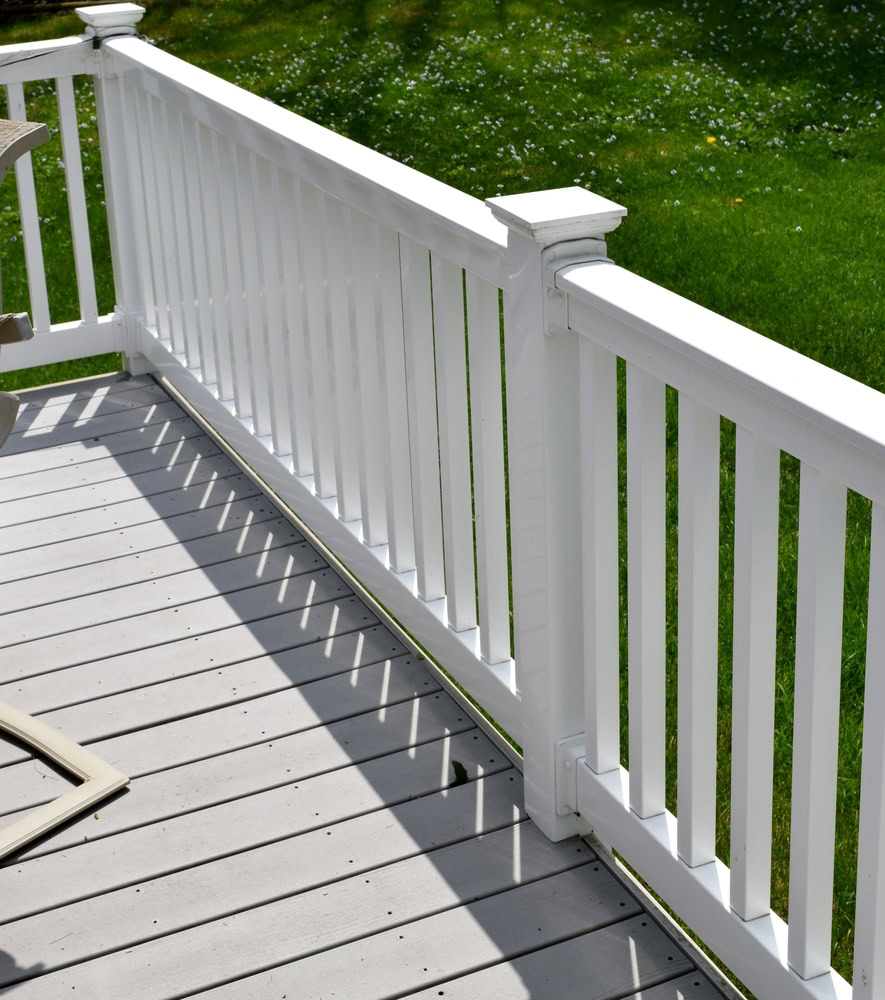
Vinyl eliminates staining concerns entirely. Vinyl fences resist weather, rot, and pests, with interlocking panels that maintain color and shape over time, available in various styles including picket, privacy, and decorative designs. This makes vinyl particularly attractive for busy homeowners who want attractive results without ongoing maintenance.
Chain link provides security and durability at lower cost, while aluminum offers elegance with minimal upkeep. The key lies in matching material choice to your specific needs, budget, and maintenance preferences.
We understand how Nashville’s climate affects different materials. We recommend options based on your property’s unique exposure, soil conditions, and drainage patterns. This local knowledge prevents material failures that plague generic installations.
Long-term Value and Maintenance Planning
Well-built fences can lower insurance premiums while boosting home value and reducing insurance costs. But these benefits only materialize when fences are properly planned and professionally installed.
Wood fences require maintenance every few years to stay in good condition and resist sun, rain, and wind effects. Fresh stain keeps wood looking good while providing extra protection. Professional installation ensures your fence is positioned and built to minimize maintenance needs while maximizing longevity.
Weather protection becomes critical in Middle Tennessee. The sun’s harmful UV rays damage wood, causing deterioration, gray coloring, and increased susceptibility to other damage. Professional-grade products with UV protection in deep-penetrating oil-based formulas protect your investment.
Water damage poses another threat. When water penetrates wood fences, rot develops quickly. Oil-based products repel water and prevent rot and decay, while also stopping the twisting and warping problems common with unprotected wood.
We consider drainage patterns, sun exposure, and prevailing wind directions that affect fence longevity. We position posts and select materials based on these environmental factors, ensuring your fence performs well for years rather than requiring early repairs or replacement. This upfront planning saves thousands in long-term maintenance costs.
Getting Your Davidson County Fence Project Right
The difference between a successful fence project and an expensive headache comes down to proper planning and professional execution. Understanding local requirements, choosing appropriate materials, and working with experienced fence contractors prevents the costly mistakes that plague DIY projects.
With our extensive network of experienced professionals and expertise in fence installation and repair, we understand the specific challenges Davidson and Williamson County properties present. We handle everything from permits to post-installation maintenance, ensuring your fence project succeeds the first time.
Don’t let poor planning turn your fence project into an expensive lesson. Take time to understand your options, local requirements, and long-term maintenance needs before breaking ground. Your future self will thank you.